
Patient support
1.4 → 2.83 packs per patient.
We built and ran a pharmacy program to support repeat purchases. Average purchases were 1.4 large packs per patient in the first year and 2.83 at the final measurement, after three years.
- My role
- Project leadership
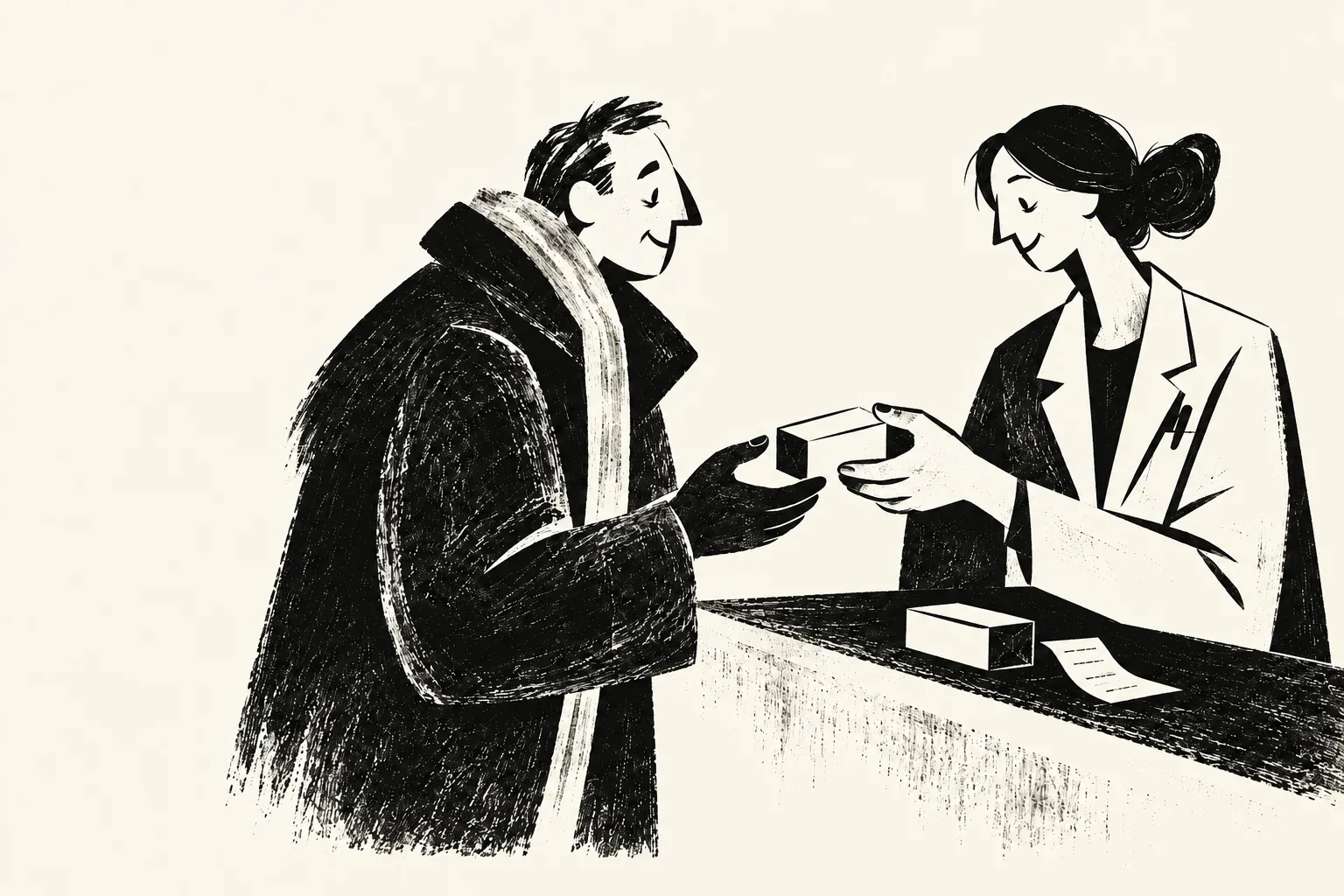
Getting a patient to register was only the beginning. The next question was whether they would return for their prescribed medicine.
I led the program from its design through day-to-day operation. We connected the patient benefit, pharmacy transactions and reporting so the team could follow purchases after registration.
Make the benefit work at the pharmacy
Patients needed to understand the offer and use it at a participating pharmacy. Pharmacy staff needed to identify participants, check the program rules and apply the benefit.
Each purchase also needed a reliable record. That let us follow continued participation and report on repeat purchases. The offer, software and pharmacy process had to work together at the counter.
Measure what happens after registration
We tracked the average number of large, 90-unit packs purchased per patient. The first-year measurement was 1.4 packs. At the final measurement, after three years of operation, it was 2.83 packs.
These figures describe purchases. They do not show how many doses patients took or establish a clinical outcome.
The program gave us a way to follow what happened after a patient joined. That is the lesson I carry into other projects: decide which behavior matters, then build the program and reporting around it.
From this project
What I learned.
- 01
The next purchase matters more than the first registration.
Registration shows who joined. Repeat purchases show who came back. If the goal is continued treatment, look beyond sign-ups.
- 02
Say exactly what a result measures.
A purchase record shows what someone bought, not what they took. State the pack size, patient group and measurement period when reporting the result.